
A Different Way to Split Water
From Constant Force to Targeted Energy
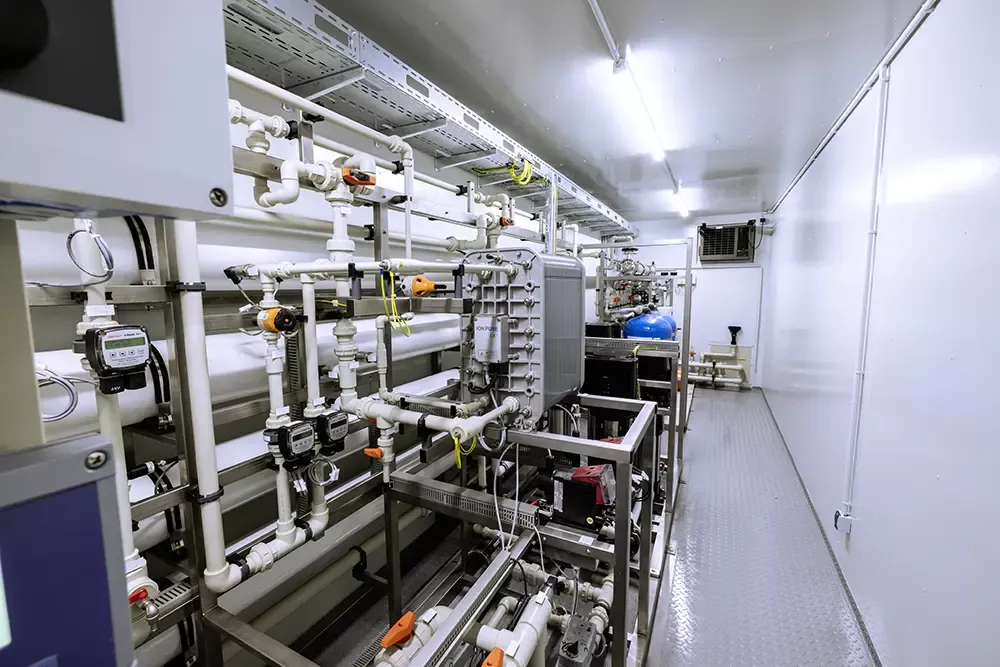
The technology platform under development takes a fundamentally different path. Instead of steady voltage, it uses controlled electrical excitation within a cold plasma environment to interact with water in a more precise and efficient way.
This shift—from constant force to targeted energy delivery—is the foundation of the platform.

What Is Cold Plasma?
Most people are familiar with solids, liquids, and gases. Plasma is often called the fourth state of matter. Cold plasma is created when electricity energizes a gas or vapor without heating it to extreme temperatures.
Instead of making everything hot, only a small fraction of particles—mainly electrons—carry high energy. Because the bulk material stays near room temperature, it is called cold plasma.

A Simple Analogy: Resonance & Precision
Traditional Electrolysis: Brute Force
Like pushing a heavy object continuously against friction—requiring constant, high-intensity force to maintain any movement.
Cold Plasma: Resonance
Like tapping the object at exactly the right resonant frequency—using precise, minimal energy to create massive separation.
How Cold Plasma Is Created
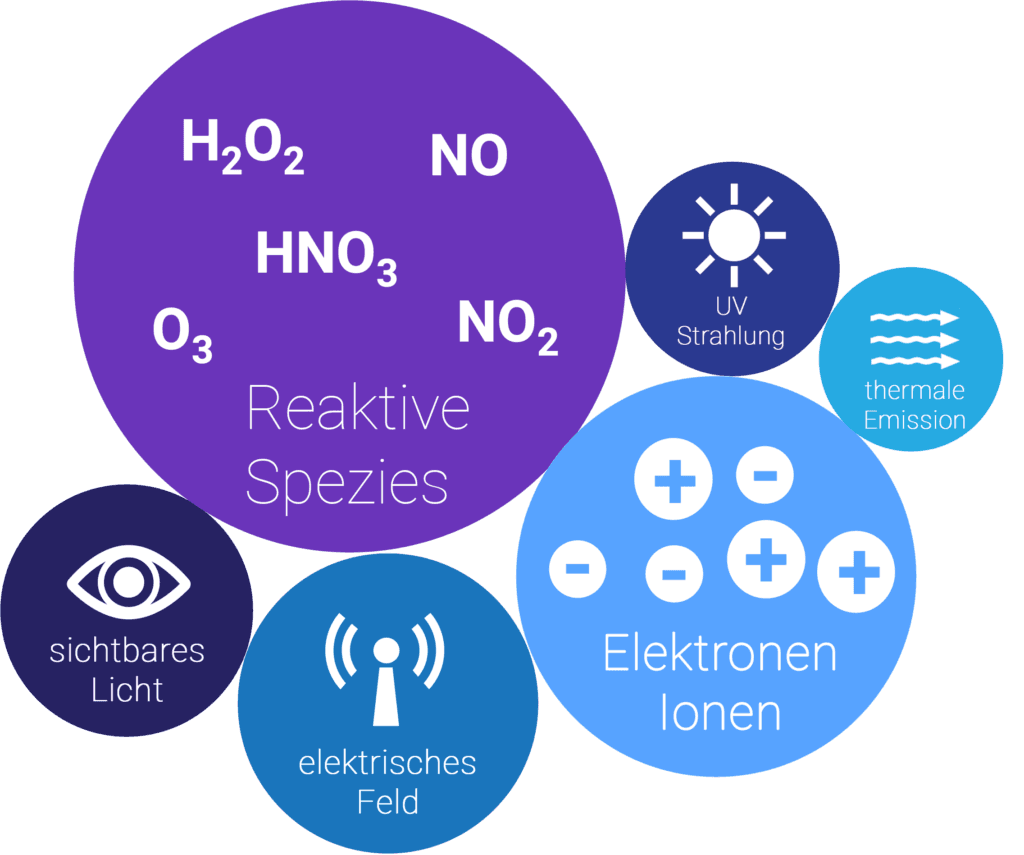
Cold plasma is created using carefully controlled electrical pulses rather than heat or combustion.
- Electricity is applied in short, controlled bursts
- These pulses create localized electrical discharges
- The surrounding environment remains at moderate temperature
Distributed Interaction Architecture
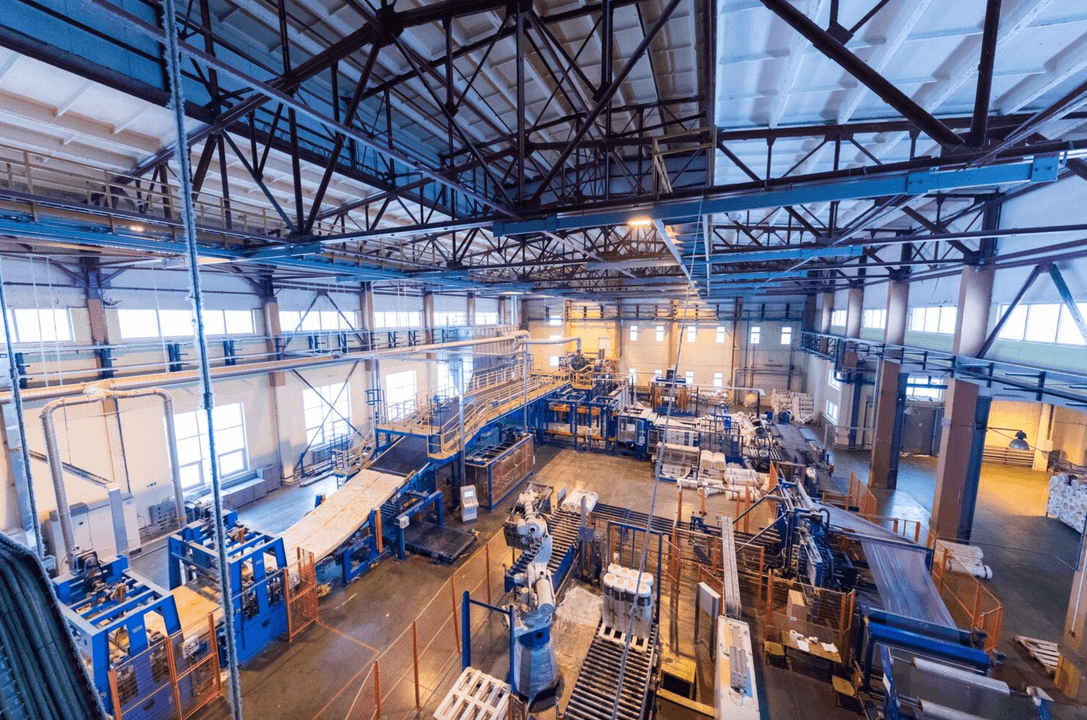
Instead of relying on a few fixed reaction points, the platform operates with a distributed internal interaction structure.

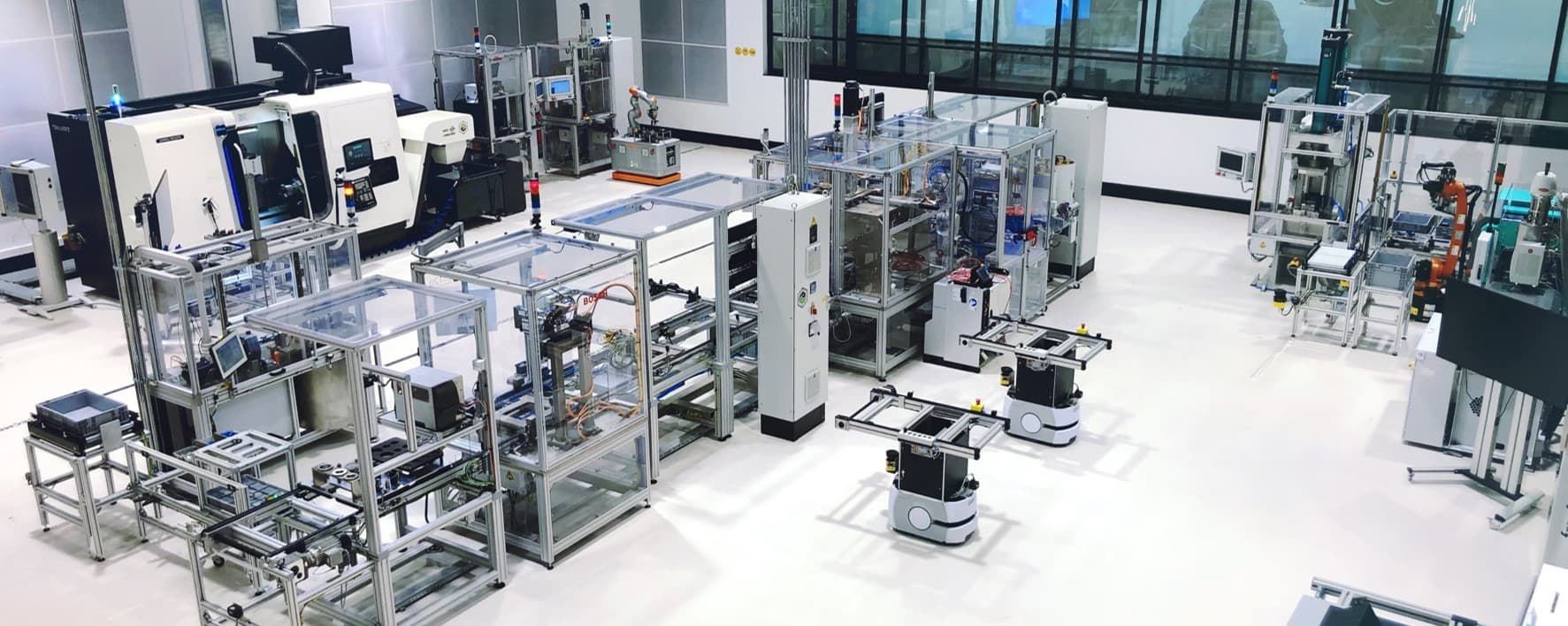
Designed for Industrial Conditions
The platform is engineered to operate under moderate temperatures and pressures, avoiding the extremes associated with some alternative hydrogen pathways.
- Simpler balance-of-plant
- Easier system integration
- Improved reliability
- Modular deployment
Scalability Through Modularity
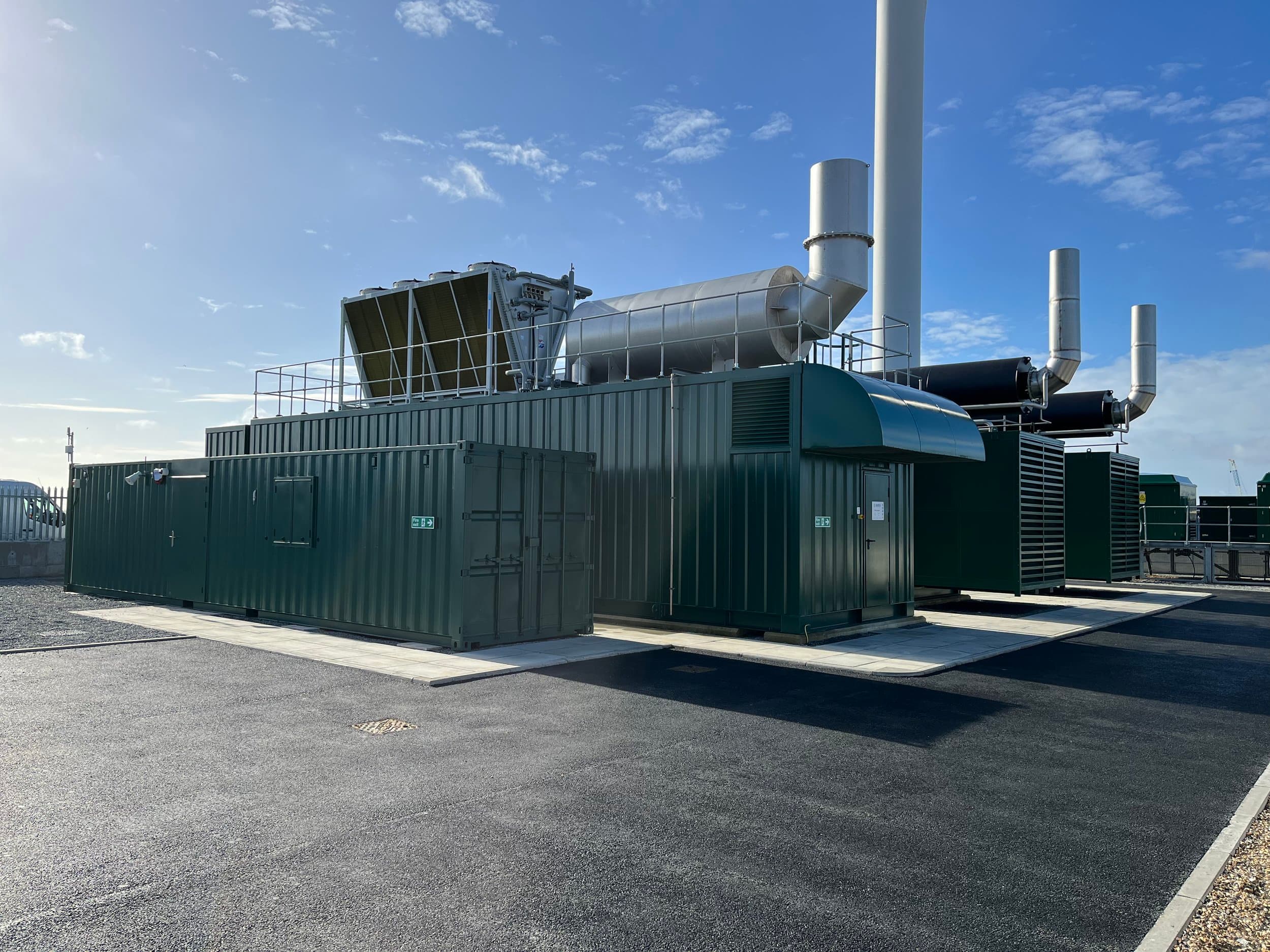
Rather than scaling through single, oversized units, the system scales by replicating standardized modules. Scalability is treated as an engineering requirement from the outset.
- Preserves performance as capacity increases
- Reduces construction and commissioning risk
- Enables phased deployment aligned with demand
Readiness & Validation
The platform is progressing through a staged development and validation roadmap aligned with industrial expectations.
- Pilot-scale operation
- Performance validation under real conditions
- Independent technical and economic review

Built for Trust
The technology is being developed to withstand scrutiny from industrial customers, government stakeholders, and infrastructure investors.
"Performance and efficiency are intended to be measurable, auditable, and verifiable, not theoretical."