
Hydrogen Demand Is Structural, Not Speculative
Hydrogen is already embedded in global industrial systems, driven by essential sectors like fertilizers, refining, and chemicals.
As decarbonization mandates accelerate, these sectors face a clear constraint: hydrogen must become cost-competitive at scale to enable meaningful transition.
What Is Changing in the Market
Three forces are reshaping the hydrogen market:
- 1Policy pressure to decarbonize hard-to-abate industries
- 2Industrial demand for reliable, continuous hydrogen supply
- 3Economic reality that limits adoption above certain cost thresholds
While incentives help, long-term deployment depends on structural cost reduction.

The Cost Threshold That Unlocks Scale
Across downstream applications, a consistent economic signal has emerged:
The inflection point for large-scale industrial adoption.
- Above this levelGreen hydrogen remains confined to pilots and subsidized projects.
- Below this levelHydrogen becomes a viable replacement for incumbent fossil-derived supply.

India: A First-Principles Hydrogen Market
Unlike markets driven primarily by subsidies, India’s hydrogen transition must succeed on economics and scale.
Priority Demand Centers
Immediate Opportunities
- Fertilizer and ammonia production
- Public-sector and private refineries
- Steel and metals processing
Strategic Advantage
- Existing hydrogen handling infrastructure
- Continuous offtake requirements
- Clear pathways to scale

Export-Linked Market Opportunities
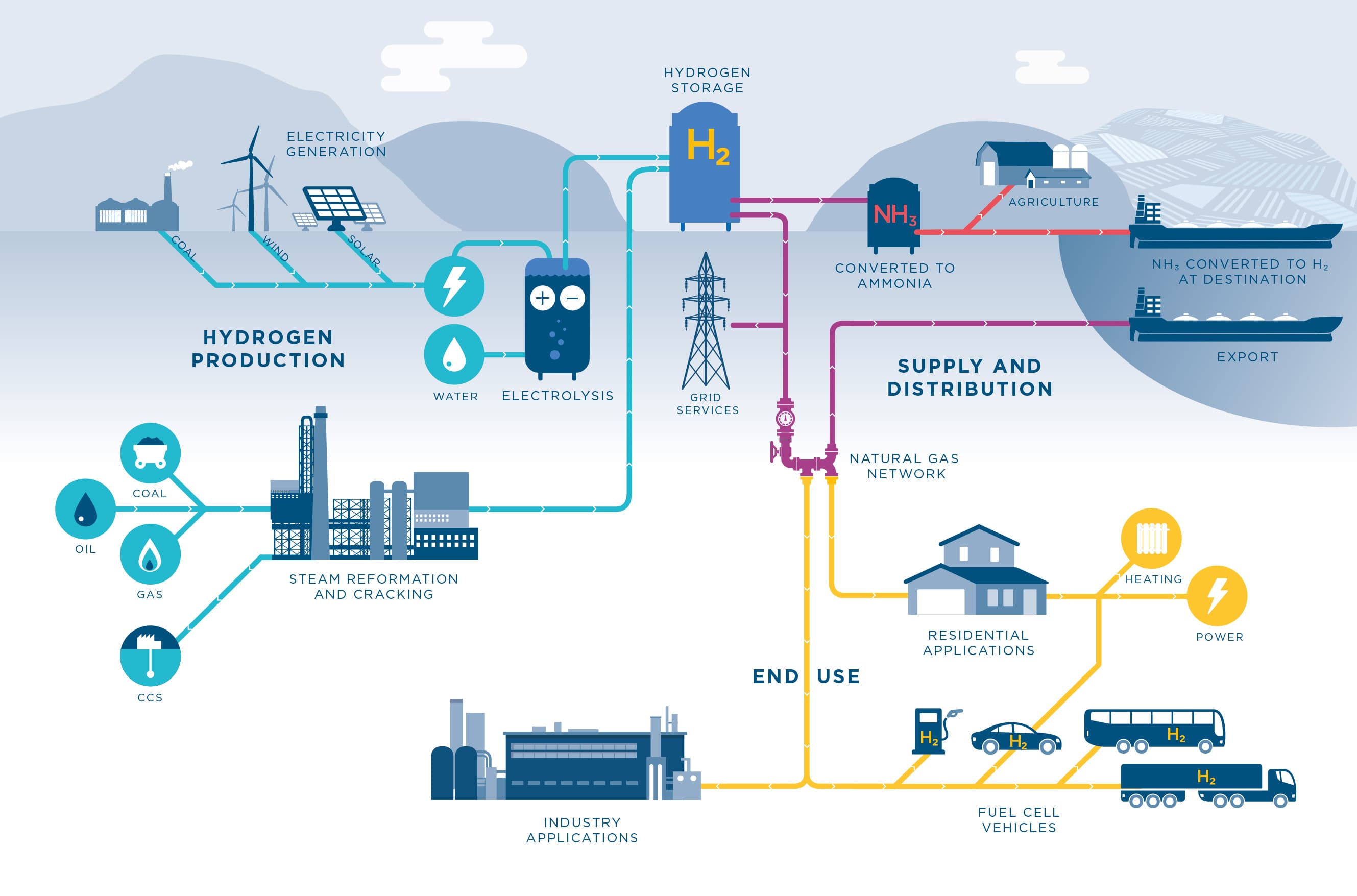
Beyond domestic consumption, hydrogen enables export-oriented value chains—particularly through ammonia. Markets that can produce hydrogen at structurally lower cost gain a durable advantage.
Export dynamics are shaped by:
- Global demand for low-carbon ammonia
- Cost competitiveness at production
- Access to logistics infrastructure

Global Relevance Beyond India
While India is a primary focus, the same economic logic applies globally. As subsidies normalize, cost-led hydrogen platforms are expected to outperform subsidy-dependent models.
Relevant Markets:
From Policy to Reality
Policy frameworks can accelerate adoption, but commercial viability determines longevity. The market opportunity is defined by the ability to deliver:
- Predictable Cost
- Scalable Supply
- Industrial Reliability